


After School Art Club - Term 4
After School Art Club - Term 4
Out of stock
Couldn't load pickup availability
This term, we’re doing things a little differently at Studio Marigold.
Rather than rushing through eight different projects in eight weeks, children will spend two sessions developing each project, giving them more time to explore techniques, build their skills and create larger, more detailed artworks.
Over the eight-week term, children will complete four projects, with each project unfolding across two sessions.
This extra time means we can go beyond simply making something and give children the opportunity to really learn, experiment and develop their ideas. Projects can be more ambitious, techniques can be explored in greater depth, and children have time to make thoughtful creative decisions and refine their work.
We believe that great art takes time — and this new format gives children the space to enjoy the process rather than feeling like they need to finish something in a single session.
8 weeks → 4 projects → 2 sessions per project → more time to create something truly special.
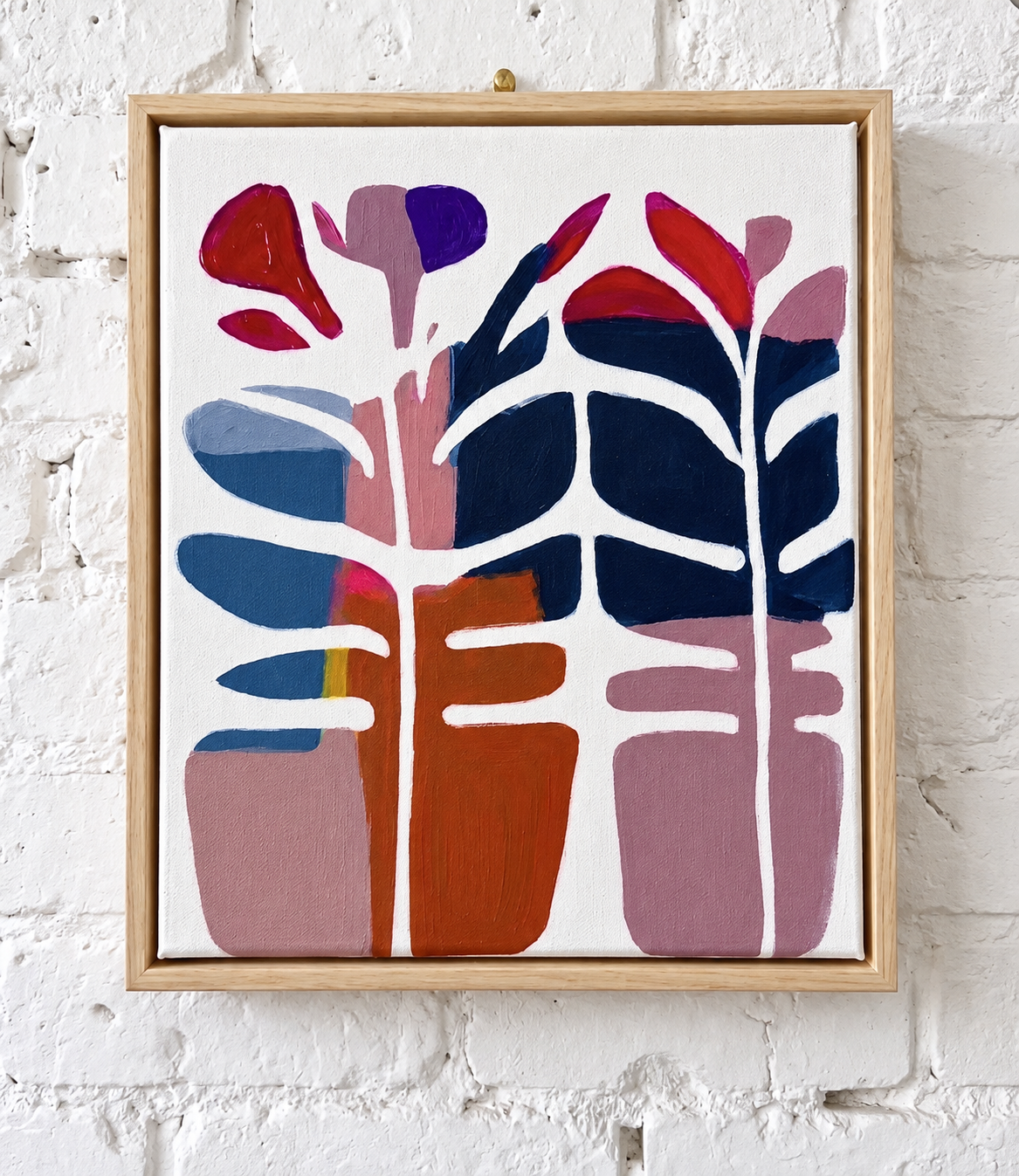
Project 1: Botanical Canvas Painting
For our first project of Term 4, children will create stylised botanical silhouette paintings on canvas, exploring colour, shape and composition through a beautiful combination of observation and acrylic painting.
We’ll begin with a gentle introduction to colour theory, exploring warm and cool colours, analogous colour combinations and contrasting colours. Children will experiment with layering and blending colours to build a vibrant painted background for their artwork.
Once their backgrounds are complete, children will work from a real-life still life arrangement of plants and flowers, learning how to observe, sketch and simplify natural forms into a strong botanical design. They’ll explore basic still-life drawing, sketching from observation and ways to create a balanced composition.
Over the two sessions, children will develop their confidence with drawing from life and acrylic painting techniques, while learning how colour and shape can work together to create an eye-catching artwork.
_____
Project 2: Paper Mâché Duck Sculptures
For our second project of Term 4, children will create their own fun and colourful three-dimensional duck sculptures, exploring form, texture and the exciting process of building with paper mâché.
Over two sessions, children will learn how a simple collection of materials can be transformed into a sculptural form. They’ll begin by constructing the base of their duck using glass jars and aluminium foil, shaping and building the body before adding layers of paper mâché to create a strong, lightweight sculpture.
In the second session, the focus shifts to surface, colour and decoration. Children will bring their ducks to life using a combination of fabric collage, acrylic paint and playful embellishments such as ribbons, gems and other decorative elements. They’ll experiment with how different materials can change the look and feel of their sculpture.
Throughout the project, children will develop an understanding of three-dimensional form, while learning how to construct, build up and decorate a sculpture using a variety of mixed-media techniques.
Project 3: Matisse-Inspired Garden Lanterns
For our third project of Term 4, children will explore cut-out shapes, colour and layering to create their own vibrant garden lanterns inspired by the work of Henri Matisse.
In the first session, children will look at how Matisse used bold organic shapes, simplified forms and vibrant colours in his famous cut-out artworks. They’ll experiment with cutting their own leaf, flower and botanical-inspired shapes from coloured tissue paper and transparent materials, exploring how different shapes and colours can be layered together.
Children will then arrange and layer their shapes onto a paper lantern, experimenting with overlapping colours, positive and negative space, balance and composition to create a unique botanical design.
In the second session, they’ll complete their lanterns by refining their layered designs and adding finishing details. Once illuminated, the layered colours and cut-out shapes will glow beautifully, transforming their artwork into a decorative garden lantern.
This project introduces children to the playful process of cut-paper collage, while encouraging them to think about how simple shapes and layers of colour can be transformed into a vibrant artwork.
____
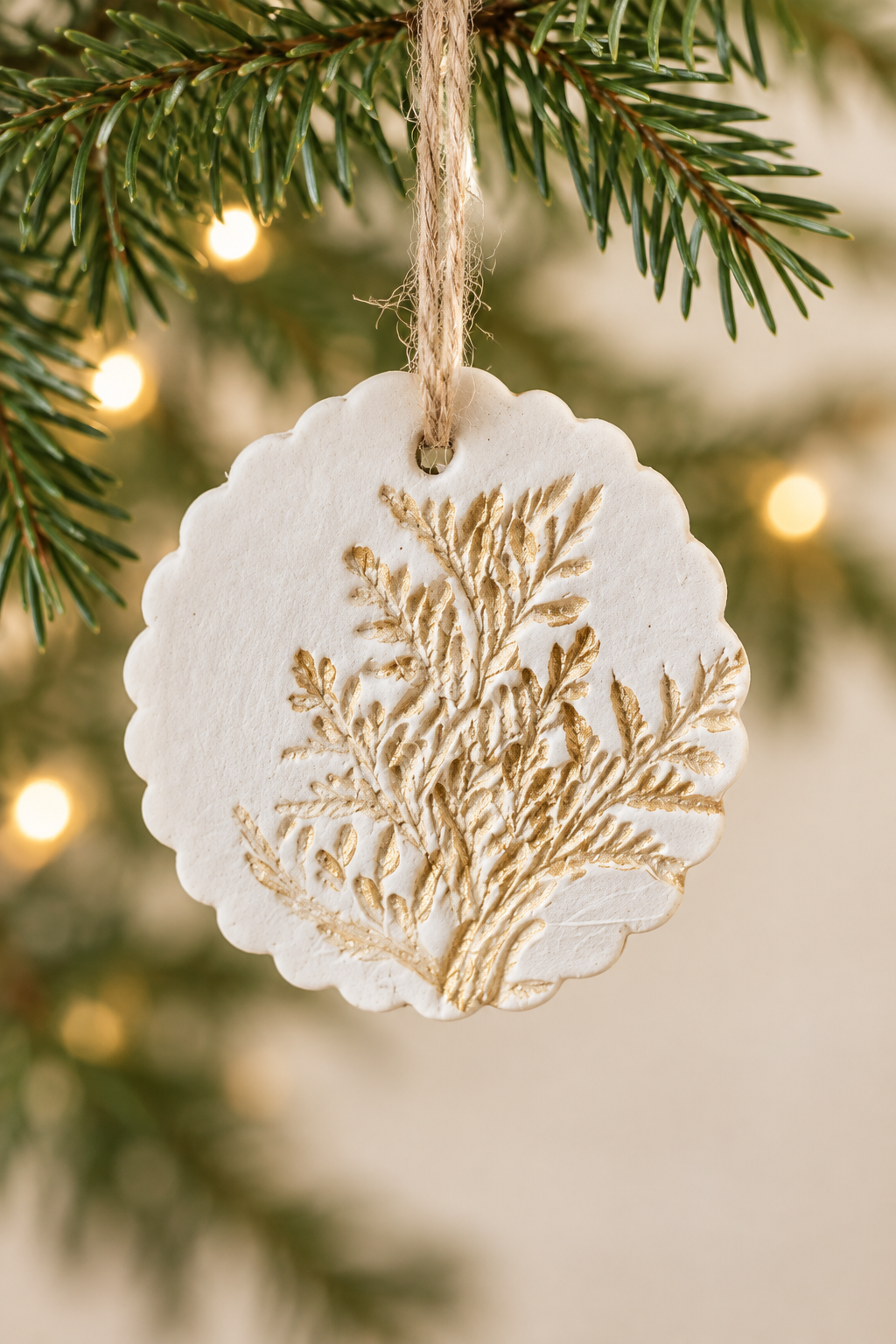
To finish our Term 4 program, children will create a set of handmade Christmas ornaments using air-dry clay, combining natural textures with colour and decorative details.
In the first session, children will receive a basic introduction to working with clay, learning how to roll, shape and manipulate air-dry clay to create their ornaments. They’ll experiment with pressing leaves, flowers and other botanical elements into the clay, discovering the different textures and patterns that can be created from nature.
Once the ornaments have dried, children will return in the second session to paint their pieces using acrylic paint, bringing out the details and textures created in the clay. They’ll then add finishing touches such as ribbons, decorative embellishments and hanging string, transforming their creations into unique ornaments ready for the Christmas tree.
This project gives children the opportunity to explore the relationship between natural forms, texture and pattern, while developing their confidence with clay and mixed-media decoration.
Share


Be the first to know about classes, workshops and more!